
(Photo: UK Government via Flickr / CC BY 4.0)
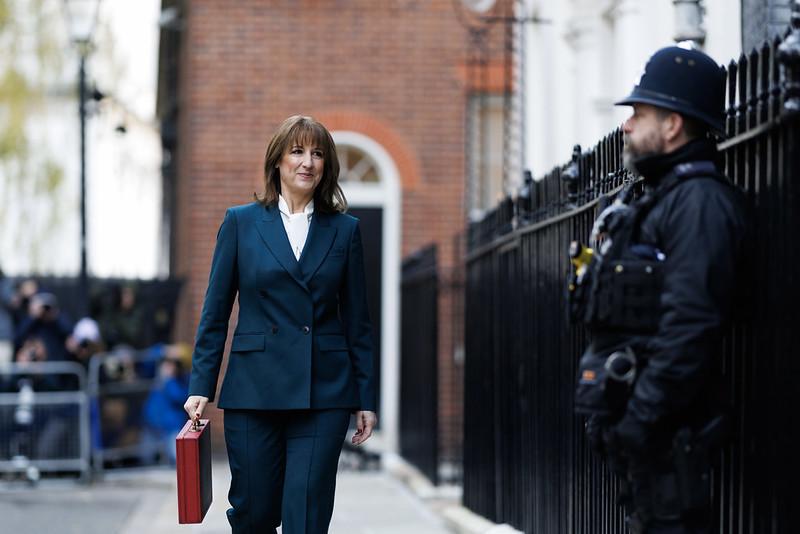
On 26 November, Rachel Reeves, the United Kingdom’s chancellor of the exchequer, stood up in Parliament to announce the 2025 Budget.
Like almost everyone across the country, the UK’s freelance workers or self-employed will have been waiting with baited breath to discover what the much talked-about budget would have in store for them.
Since the pandemic, when they were among the last of the country’s workers to receive government support for their loss of earnings caused by successive lockdowns, freelancers have been hit by rising living and operational costs, together with ongoing uncertainty over tax rules.
And ahead of the big day, there was little expectation that the 2025 Budget would lighten the already burdensome load felt by freelancers who, by definition, experience levels of insecurity that salaried workers rarely encounter.
So what would did the budget – which in an unprecedented incident – was actually leaked just moments before it was announced, end up having in store for the UK’s hard-working self-starters?
Here’s everything you need to know.
Income tax-thresholds frozen until 2031
The headline news was that the Budget extended the freeze on income-tax personal allowance (£12,570) and the higher-rate threshold (£50,270) through to the 2030/31 tax year. For freelancers whose income fluctuates or grows slowly over time, this “threshold freeze” – known as fiscal drag – means more of their income will gradually become taxable even if their earnings don’t rise in real terms.
Self-employed National Insurance rates also frozen
A more palatable freeze is on self-employed NIC rates, which remain applicable at 6% on profits between £12,570 and £50,270, and 2% on profits above that. However, there is still concern that future Budget changes might impose NICs on partnership profits, which could hit freelancers working through partnerships harder. For now, though, freelancers can breath a little easier – when it comes to NICs, at least.
Tighter restrictions on salary-sacrifice pension contributions
This was one of the most controversial aspects of the budget and has been widely criticised as a regressive and counter-productive move. In short, from future years the tax advantage for salary-sacrifice pension contributions will be capped, with only the first £2,000 of contributions per person remaining exempt from NIC. As a result, the cost of larger pension contributions will ultimately rise – a wholly unwelcome move for many people, not least the many freelancers who attempt to offset missing out on company pensions by operating as a limited company.
Higher taxes on non-employment income
While the raising rates of tax on savings, property income and dividends by 2 percentage points won’t directly hit the self-employed, those who supplement their income with investments, rental income or dividends will unavoidably hike their overall tax burden. Again, a contentious decision given the overall financial strains bearing down on the UK’s workforce.
So what’s our verdict?. The main risk is the tax-band freeze, which will affect some but not others, making it a bit of a lottery, depending on how earnings shift over the next few years. It’s always worth keeping watch on what comes next from the Treasury, and hoping that with self-employment still on the rise, the government may eventually feel pressure to support freelancers properly and shape policies around their unique circumstances and needs.